A site reinvents itself
Sustainably successful

With the launch of a new warehouse management system in March 2025, Galexis has implemented much more than just an IT project in Lausanne-Ecublens. Around 250 employees enabled a profound organisational and cultural change – working together and without interrupting operations.
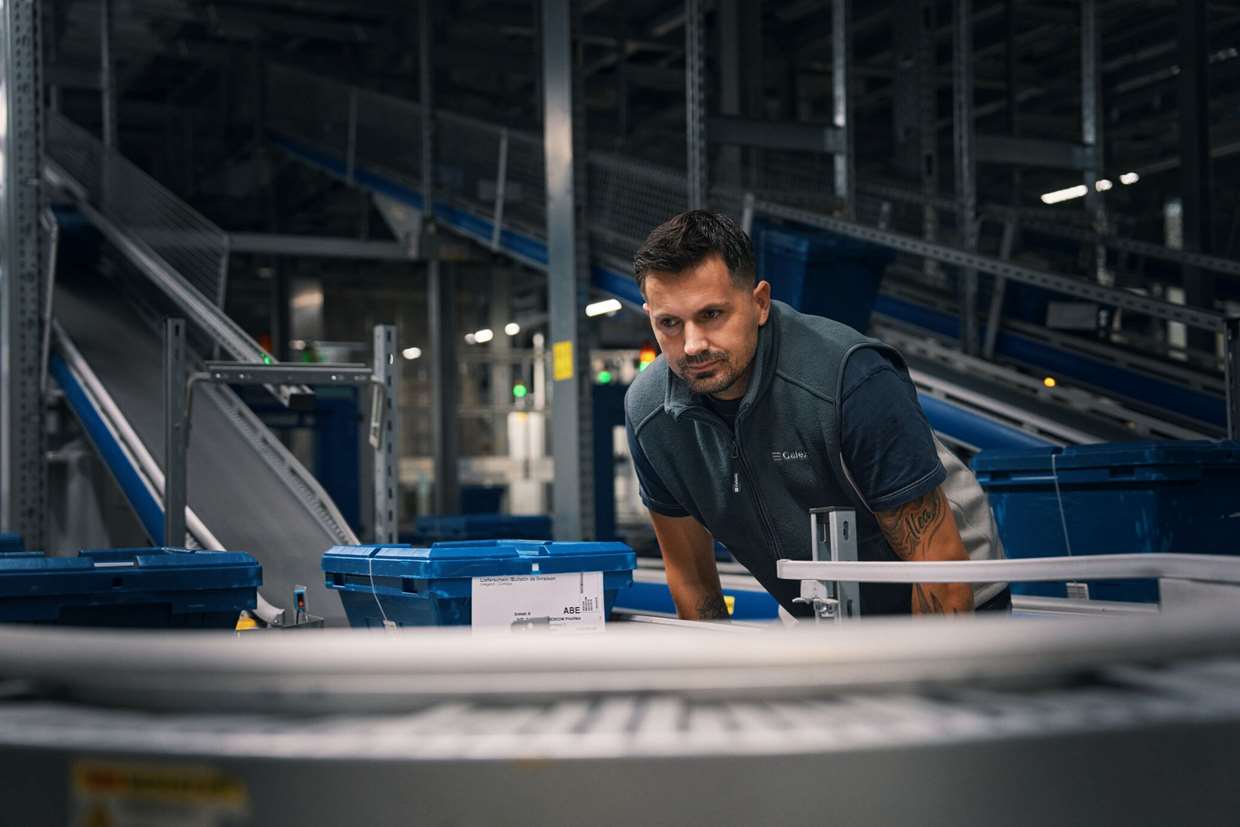
Galenica delivers every second medication ordered in Switzerland and plays a key role in pharmaceutical logistics. However, increasing demand and a growing variety of products are making logistics increasingly challenging. Galexis is responding to this development with automation and digitalisation: the SAP migration at the Lausanne-Ecublens logistics centre was therefore a logical step. The system links incoming goods, warehousing, order picking, dispatch and invoicing into integrated processes. The degree of automation has risen to over 70 per cent, and productivity increased significantly. With the changeover in Lausanne-Ecublens, Galexis is taking on a pioneering role in Western Switzerland.
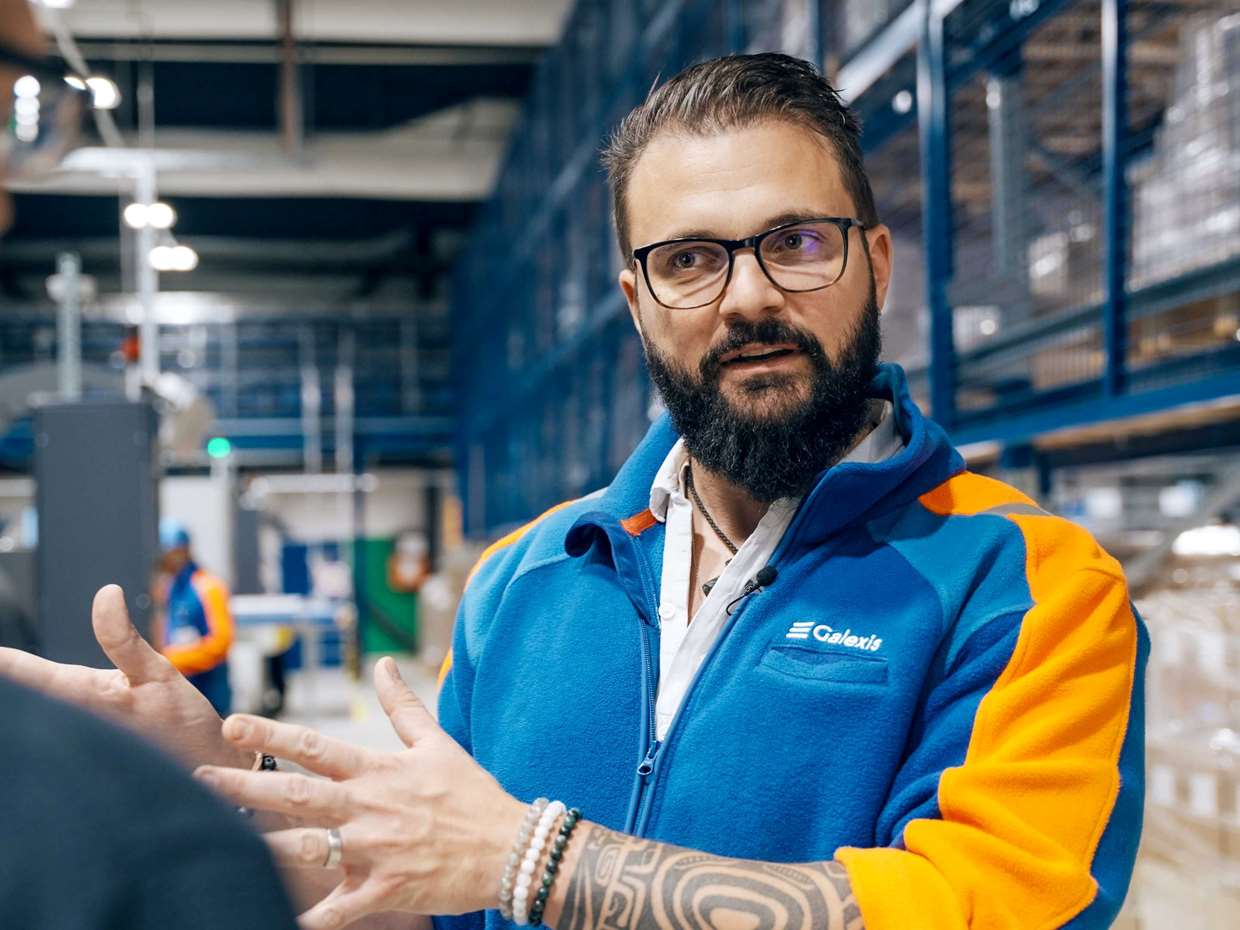
Despite training and ongoing information, the transformation challenged the entire team. “SAP brought new processes as well as digitalisation and automation,” says Laurent Depraetere, Head of Logistics Operations Lausanne-Ecublens. “The first quarter was intense, and at time we were pushed to our limits.” A task force, supported by experts from the Niederbipp logistics centre, helped to regain stability. “We all pulled together and worked consistently towards a common goal,” recalls Head of Logistics Gianclaudio D’Albero.
Greater efficiency and quality
The effort has paid off: SAP now runs reliably in Lausanne-Ecublens. At its heart is the automated high-bay warehouse with around 10,000 items. Light signals show the employees in the picking department which product belongs where – up to five times faster than before. In the shipping department and at the customers’ premises, scans ensure that the right product is in the right place at the right time. Batch traceability takes quality to a new level. “This transparency is important for medical products,” explains Laurent Depraetere.
Cultural change initiated earlier
Another key factor in this success was the cultural change that had already been initiated two years earlier with the introduction of lean working methods. Short, daily team and departmental meetings as well as tours, during which employees can observe processes across departments, promote commitment and transparency about the changes that have taken place. “Lean isn’t a method, it’s a culture,” says Laurent Depraetere. “True motivation arises when employees are able to think for themselves and implement their ideas.” The strength of this team spirit was demonstrated during the SAP migration, when it was important to persevere and support each other. The teams mastered the challenges with patience, cohesion and growing self-confidence.
Lessons learned for the transformation in Niederbipp
Customers in Western Switzerland are now benefiting from significantly more items being available more quickly, as they are delivered directly from Lausanne-Ecublens. With the transformation, Galexis has strengthened the site’s performance for the coming years and at the same time laid the foundations for the next milestone: the SAP migration at the main logistics centre in Niederbipp in the third quarter 2026.
High service quality and targeted investments in the future
At the pre-wholesaler Alloga, the SAP migration was already completed in 2024. This also initiated a cultural change and process adjustments, which led to noticeable improvements in the past year. In 2025, Alloga significantly increased its performance: more than 110 million packs were processed with 99.9 per cent daily completion. The introduction of SAP ensured more stable processes and greater transparency in customer communication. This is also reflected in customer satisfaction, which rose to a very good value (NPS: 30) in the B2B logistics environment. In 2026, Alloga will invest in a new pallet shipping system, digitalised incoming goods processes and flexible organisational models to strengthen scalability and operational resilience.